
10 Reasons Why Fast Fashion Hurts Us and Our Planet
Fast fashion refers to a business model in the clothing industry characterized by the rapid design, production, marketing, and sale of clothing. This approach caters to consumer desires for the latest fashion trends at affordable prices.
The negative impacts of fast fashion become more obvious each year. Here are ten reasons you might think twice before purchasing another cheap piece of clothing.
Environmental Waste

Fast fashion contributes to a high level of textile waste due to the rapid production of clothing items that are quickly deemed out of style and discarded by consumers.
Use of Natural Resources

The production of clothing requires significant amounts of water and energy. For example, about 1,800 gallons of water are needed just to grow enough cotton for a single pair of jeans. Four hundred gallons of water are needed to grow enough cotton to make a t-shirt.
Pollution

The fashion industry is a major source of water pollution worldwide, due to the dyeing and treatment processes of textiles. It also contributes to air pollution and the emission of greenhouse gases.
Poor Labor Conditions
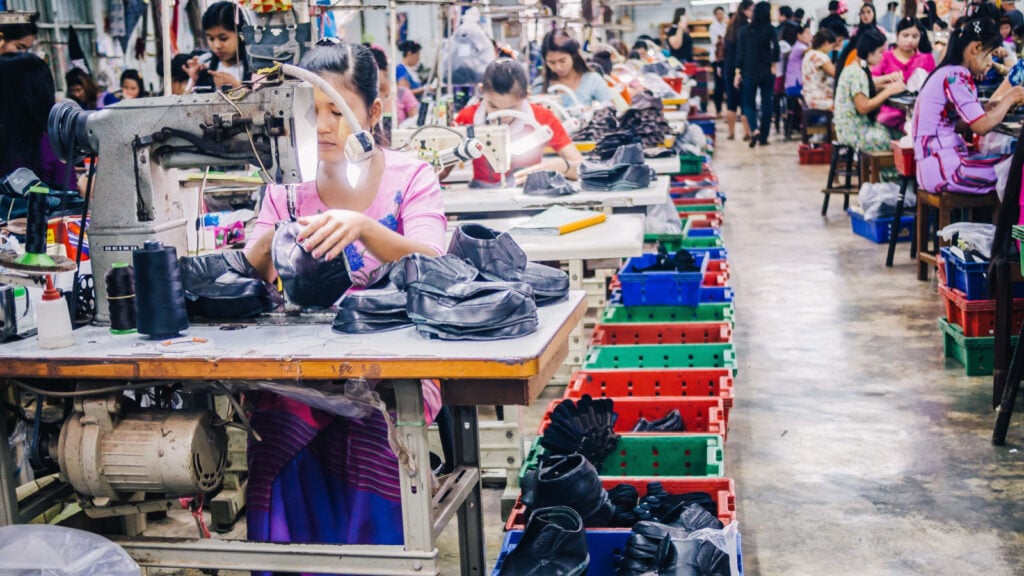
Workers in the fast fashion industry often face exploitation, including low wages, long hours, and unsafe working conditions.
Child Labor

In some cases, the industry has been linked to child labor and other forms of labor abuse.
Planned Obsolescence

The business model relies on a constant churn of new styles to encourage consumers to buy more, leading to a culture of disposable clothing.
Low-Quality Products

Fast fashion items are typically made with lower-quality materials and poor craftsmanship to keep costs down, which means they wear out quickly.
Loss of Traditional Skills

The focus on mass production can lead to a decline in traditional crafting and textile-making skills.
Market Saturation

The constant influx of cheap clothing can undermine local industries and retailers, especially affecting small businesses.
Psychological Impact

Fast fashion can lead to financial stress for individuals who feel the need to update their wardrobe to keep up with trends constantly.
Movements against fast fashion have emerged as a response to the industry’s negative environmental and social impacts. These movements advocate for sustainable, ethical, and responsible fashion practices.
More From SewCanShe
Sewing Supplies at the Thrift Shop

17 Things You Should Never, Ever Buy at a Thrift Shop

15 Ways to Know Your Canine Companion Loves You

Disclosure: some of my posts contain affiliate links. If you purchase something through one of those links I may receive a small commission, so thank you for supporting SewCanShe when you shop! All of the opinions are my own and I only suggest products that I actually use. 🙂